All 12 Naruto Hand Signs Explained, Plus the Sequences for Every Popular Jutsu
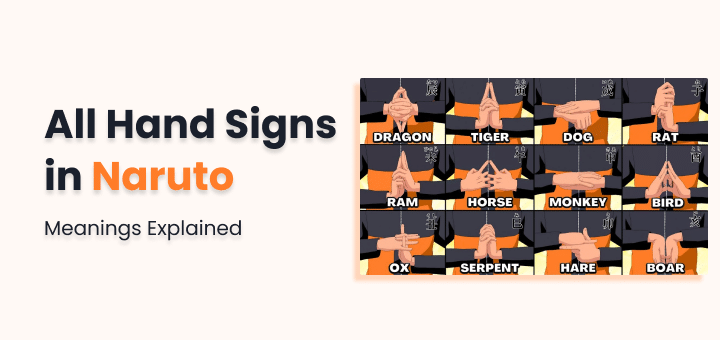
Hand signs are an essential aspect of ninja techniques in the universe of Naruto, allowing shinobi to focus their chakra and execute a wide range of jutsu from the most basic to the most advanced. These hand gestures are a significant part of Masashi Kishimoto’s Naruto series and are referred to as “seals” or “signs” (, ten’in). The significance of each hand sign is tied to a certain concept or strategy. The most prevalent hand gestures in the Naruto canon are examined here, along with their importance and meanings.
In this post on the Naruto canon, we will explain the importance of the many hand gestures employed by shinobi, illuminating the complex web of hand signs that underpins the ninja techniques and demonstrating the ways in which these gestures have changed and expanded throughout the course of the series. The power of chakra flows through the hands of Naruto’s characters, shaping their destinies and the fate of the ninja realm, and our journey will take us from the simple symbolism of signs to the intricacy of advanced hand seals.
Who is Naruto?
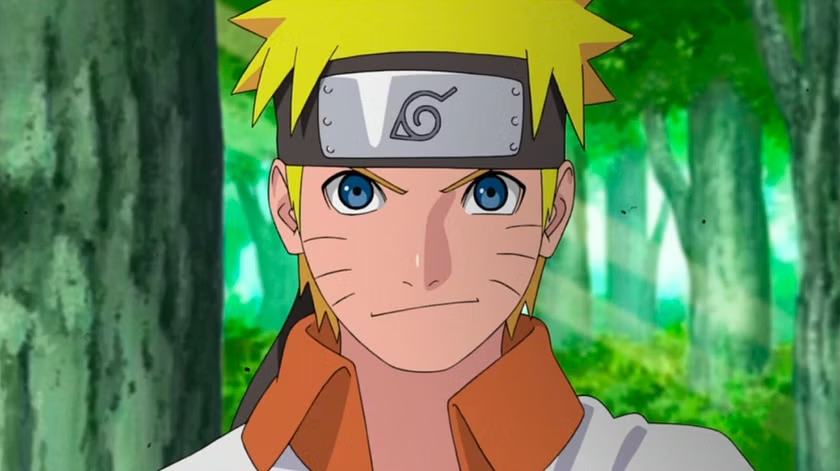
The beloved Naruto series is about a boy named Naruto Uzumaki who lives in the Hidden Leaf Village in the Land of Fire. Naruto was the son of Kushina Uzumaki and Minato Namikaze, who was the Fourth Hokage of the Hidden Leaf Village. However, he grew up in the village without any parents. On the day Naruto was born, both of his parents gave their lives during the Nine-Tailed Demon Fox’s attack on the Hidden Leaf. As his last act, Minato sealed the Yang half of the Nine Tails’ chakra inside Naruto when he was born.
Naruto has been through a lot as the Jinchuriki of the Demon Fox over the years. The people in the village hated and feared him because they thought he was the Demon Fox. Because of this, Naruto loved getting attention from other people and would often play jokes on them. In the end, this made Naruto decide to lead the Hidden Leaf as the Hokage. He thought that if he became the Hokage, everyone would pay attention to him.
Over time, he joined Team 7, which was made up of Naruto, Sasuke Uchiha, Sakura Haruno, and Kakashi Hatake. They were a group of genin from the Hidden Leaf Village. Master Jiraiya, one of the Three Legendary Sannin of the Hidden Leaf, taught Naruto how to study and improve his skills after he passed his first chunin exams. He worked hard and did many things to help the village, which is why he was named the Hero of the Hidden Leaf Village in the Pain Assault Arc.
All Hand Signs in Naruto
Monkey (Saru, 申)
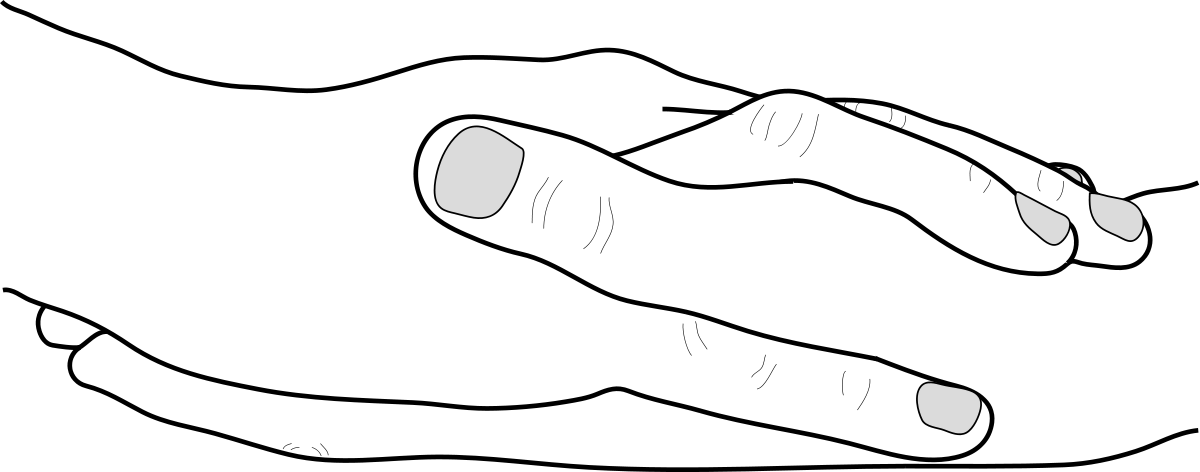
The monkey represents good fortune and good fortune for Saru. Sasuke utilizes it often throughout the first two stages of channeling his Chidori, despite the fact that it is not very important to the release of the nature change. Sasuke’s combat prowess in the show is enhanced by his knowledge of hand signs.
The steps to the Saru are easy to follow. In a horizontal palm-to-palm grip, the right pinky finger simply slides in between the left thumb and index finger.
Dragon (Tatsu, 辰)
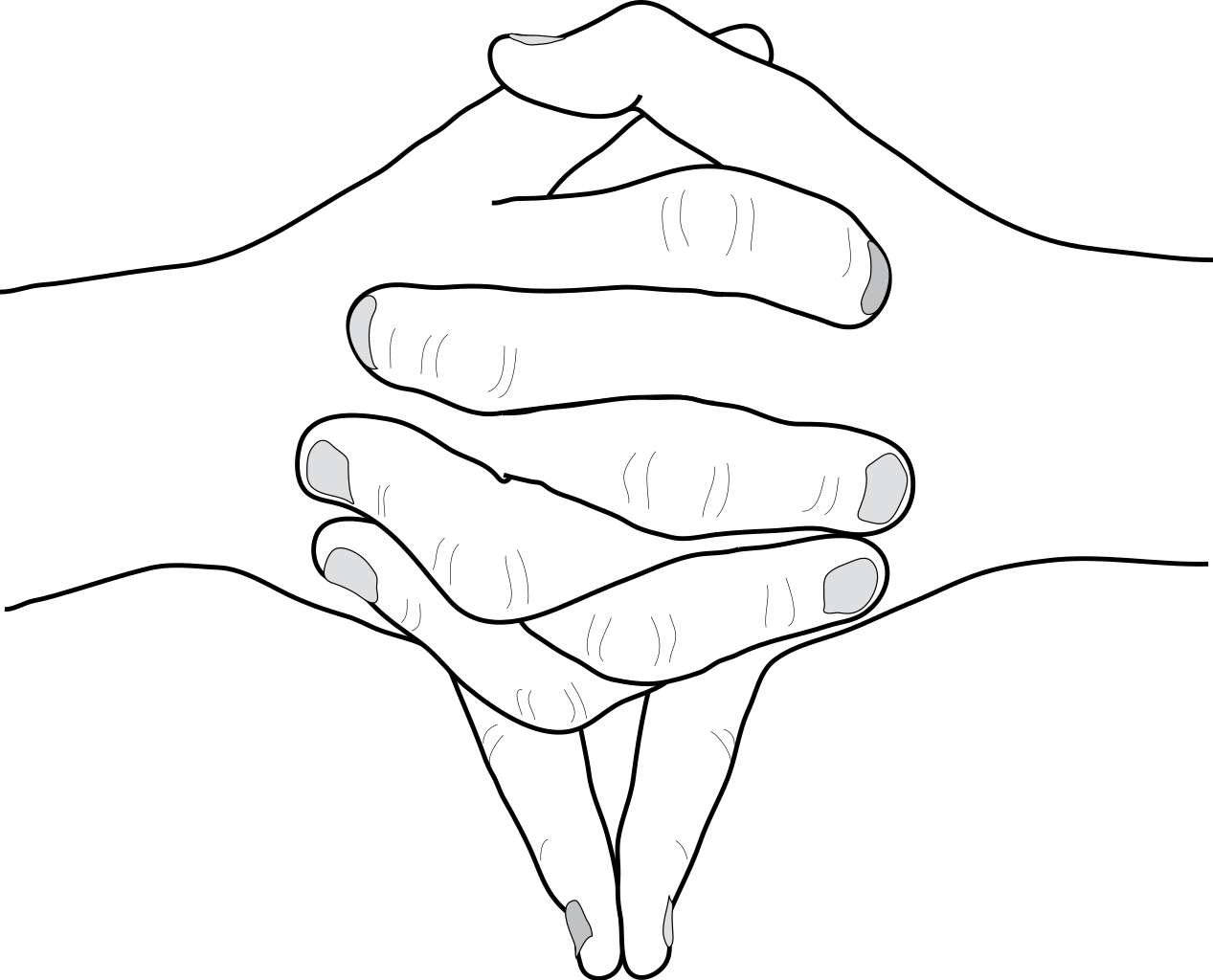
The Tatsu is based on the Chinese animal zodiac sign of the same name. Because it lacks any inherent elemental quality, it is not required as a prerequisite for nature transformation jutsu. When combined with them, though, it creates a dragon-shaped representation of that substance.
It’s classy, to be sure, but the price is giving the shinobi a case of the hives. In order to make the sign, you need to stack four of your half-closed fingers alternately, with both pinkies jutting out at the bottom and touching at the tips.
Rat (Ne, 子)
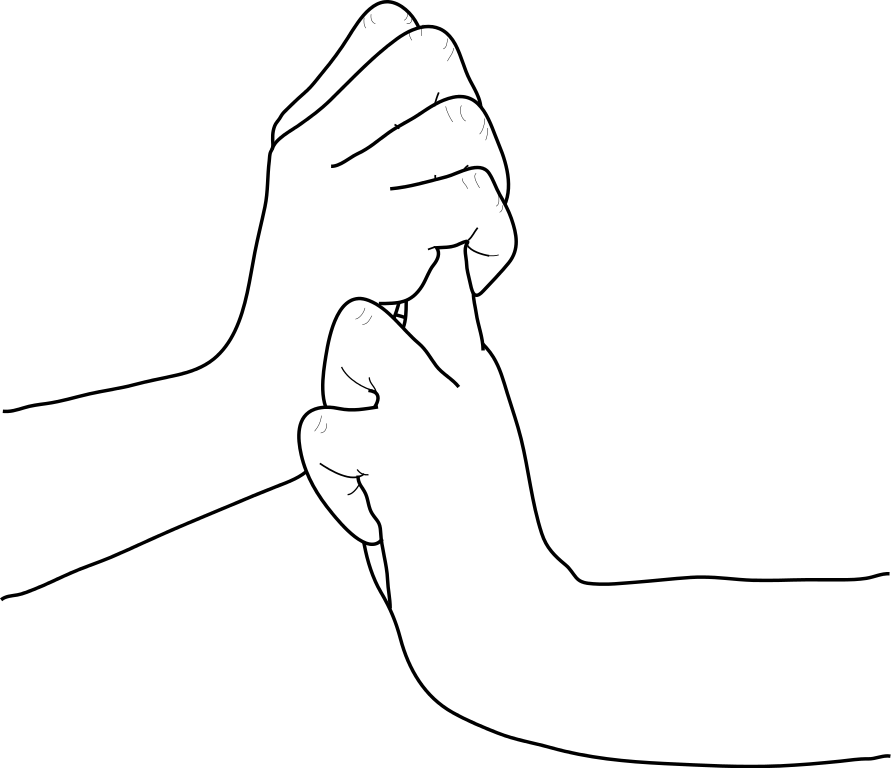
The Rat (Ne or Nezumi) in Japanese is derived from the Rat in the Chinese zodiac. It is a significant hand sign of the Nara clan, from whom Shikamaru descends, although unlike many of the other signs, it is not critically related to any nature change release. It’s a key component of the unique Shadow Imitation Techniques they’ve developed.
A shinobi should just lift their left index and middle finger, then wrap their right fingers around them, keeping the left index finger looser than the others, to make the Rat hand sign.
Bird (Tori, 酉)
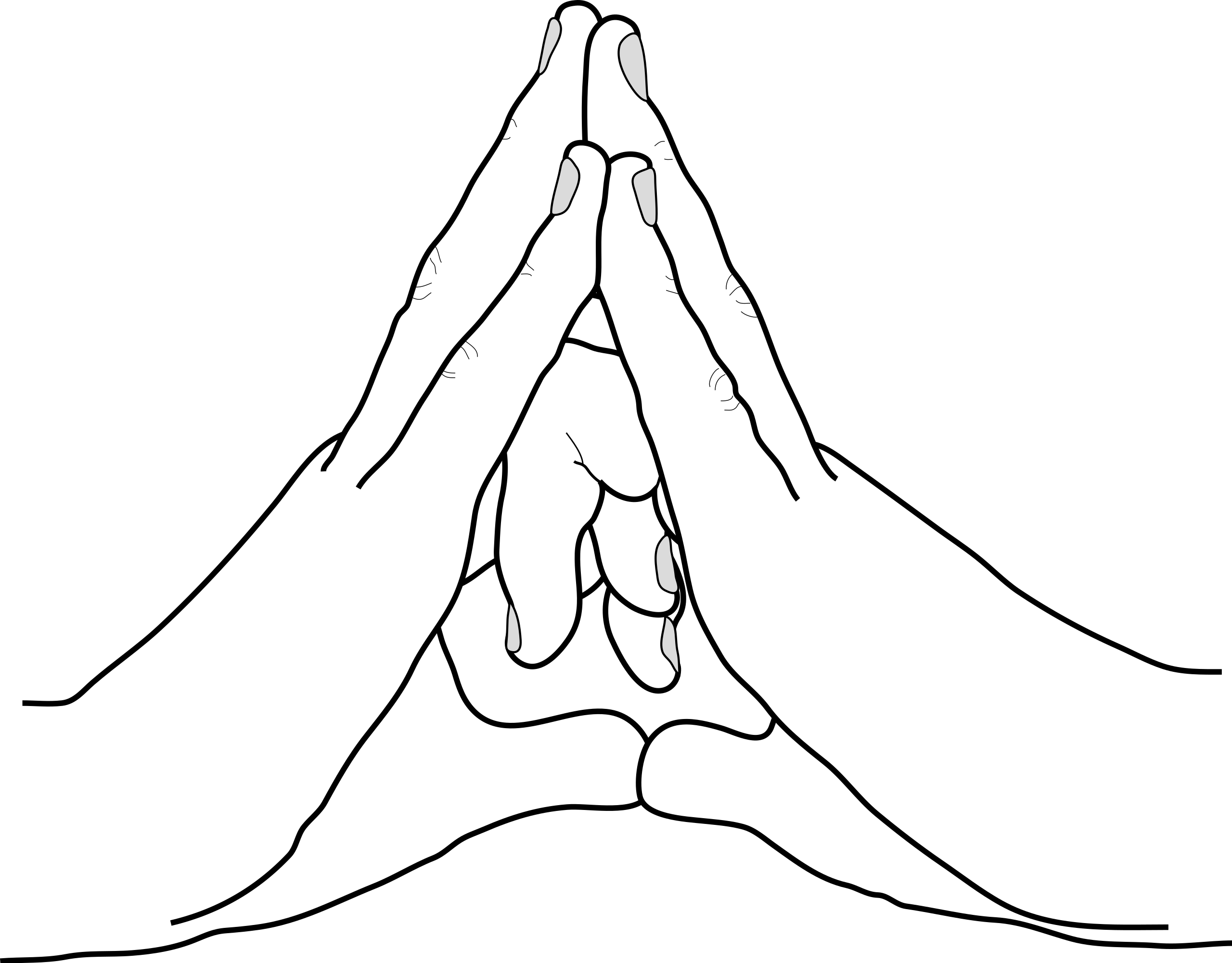
The Rooster, the Chinese astrological symbol, inspired the name Tori, which means “Bird.” This Naruto gesture stands for the wind element or the Wind Release jutsu. The user may then acquire ninjutsu skills that rely on wind power. Naruto, particularly when using the Rasengan method, is a master of the hand sign and its accompanying skills.
In quick, precise movements, the hand sign’s simplicity becomes baffling. It requires an angular arch formed by the middle and pinky fingers, an intersection of the ring and index fingers, and a tip-to-tip contact between the thumbs.
Snake (Mi, 巳)
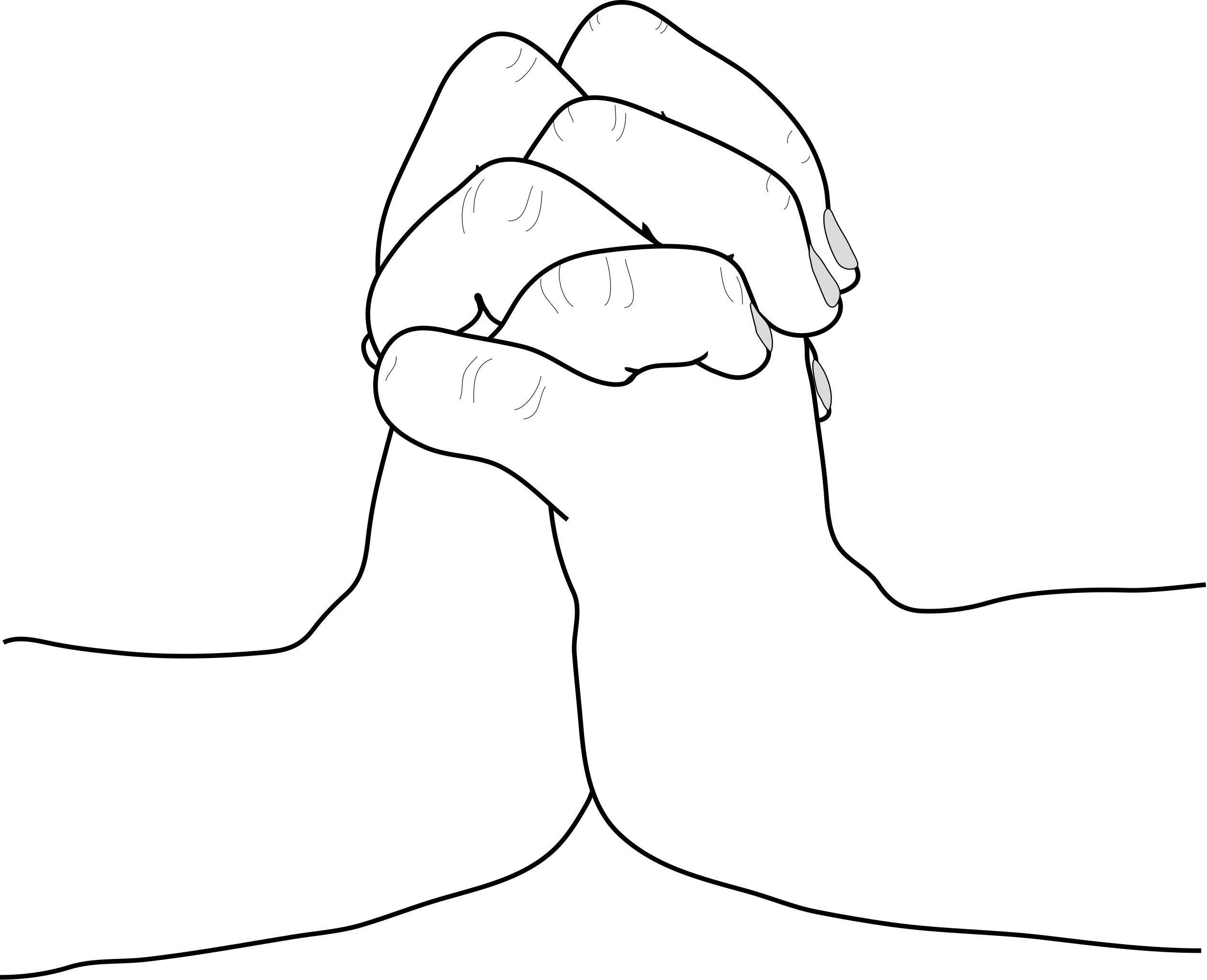
The Mi is based on the Snake, a representative animal of the Chinese zodiac. This is a popular gesture since it can be used for Earth, Lightning, and Wood Releases, making it one of the most used in the series. Because of this, many formidable ninjas include the Snake in their distinctive jutsu.
The Mi is likely the simplest hand sign to execute since it is used in so many different approaches. Simply place your palms together in a prayer position, then interlace your fingers.
Ox (Ushi, 丑)
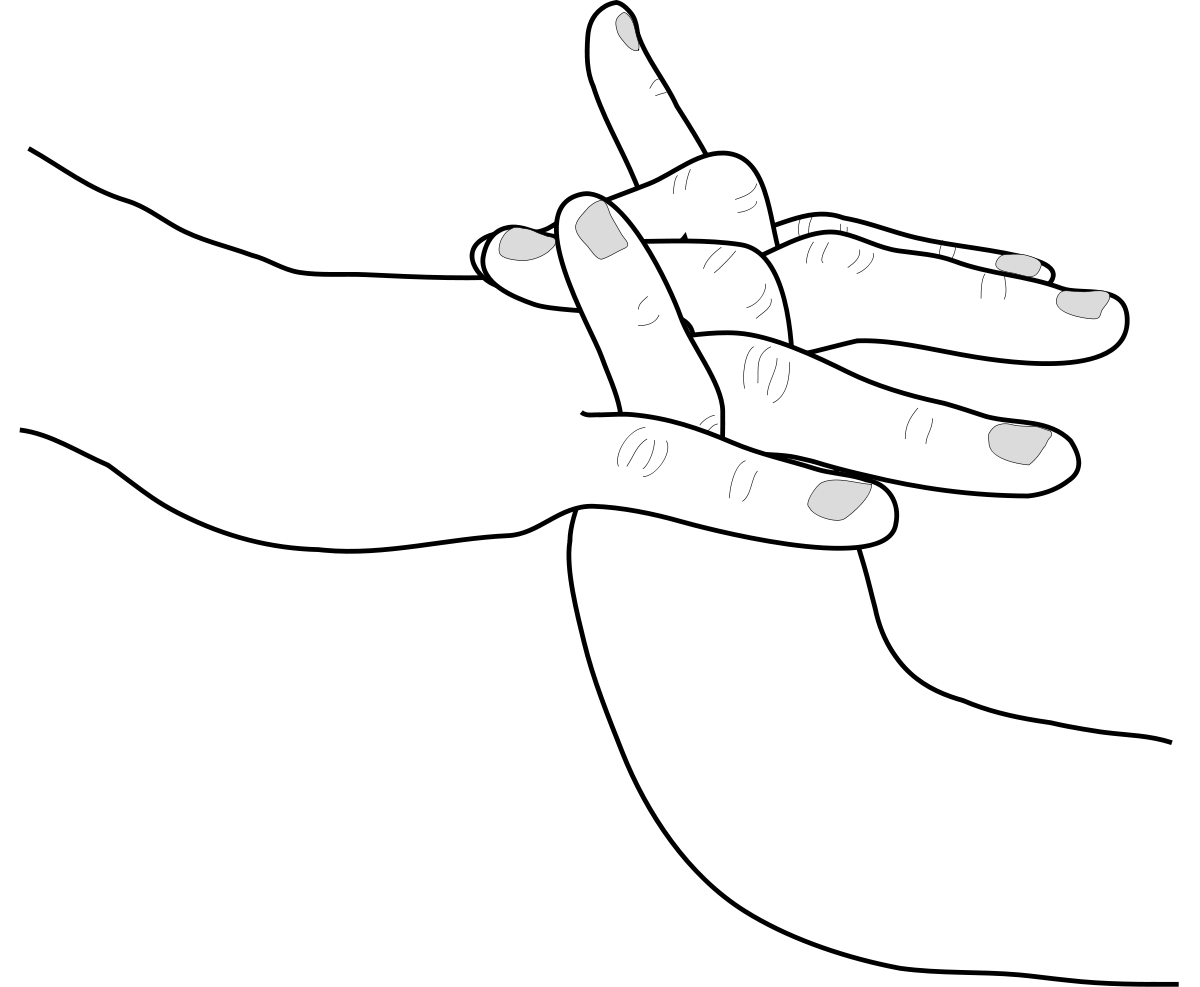
The ox, or Ushi, in Japanese, is based on the Chinese zodiac animal of the same name. Despite the fact that the Ox is not strictly necessary for any nature transformation release, many ninjas nonetheless employ it in a wide variety of fire jutsu and techniques. This is especially true of Sasuke and his elder brother Itachi, as well as every major member of the Uchiha family.
When combined with Fire Release, the Ushi becomes very potent, but at the cost of significant disorientation for the practitioner. A shinobi must cross their fingers open palms together, thumbs out, to show their training. For this to work, your left hand must face outward, while your right hand must face inside. Then, cross your forearms so that they are horizontal, and rest your left ring and middle fingers on the back of your right hand.
Dog (Inu, 戌)
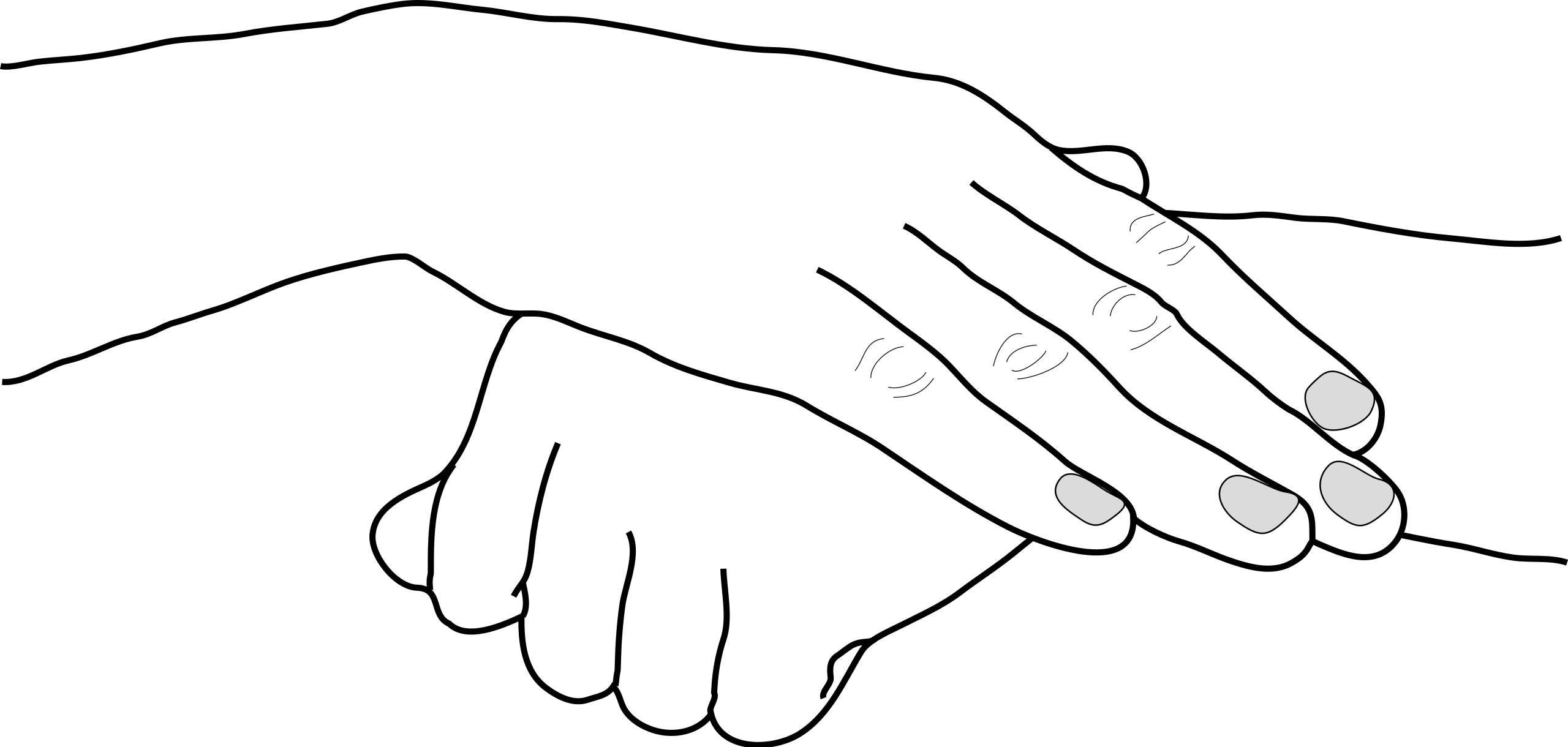
As may be expected, the Japanese word for dog, inu, is derived from the Chinese symbol for the same animal. The hand sign is used in natural transformation methods, much as Tori; in this case, it’s for the Water Release.
Therefore, many ninjas, like Zabuza and Kisame, who are adept with water, often use this hand gesture. One of the simplest hand signs to learn is “Inu.” All you have to do is place your left open palm on top of your right closed fist.
Horse (Uma, 午)
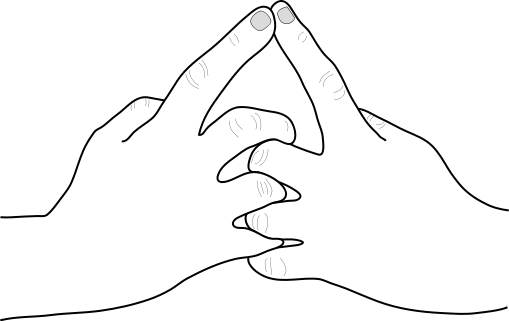
The Uma, or Horse in Japanese, is based on the same animal’s sign in the Chinese zodiac. Sasuke often uses the hand sign for his Fireball technique, albeit it is not required for basic nature transformation release. It may also be used to debunk the effects of genjutsu illusions.
It’s not as challenging as the Tatsu, but it still requires some serious finger extension from the shinobi. The knuckles of the other fingers should be stacked on top of the right thumb, and the index fingers should touch at the tips. There should be an inward turn to both palms.
Tiger (Tora, 寅)
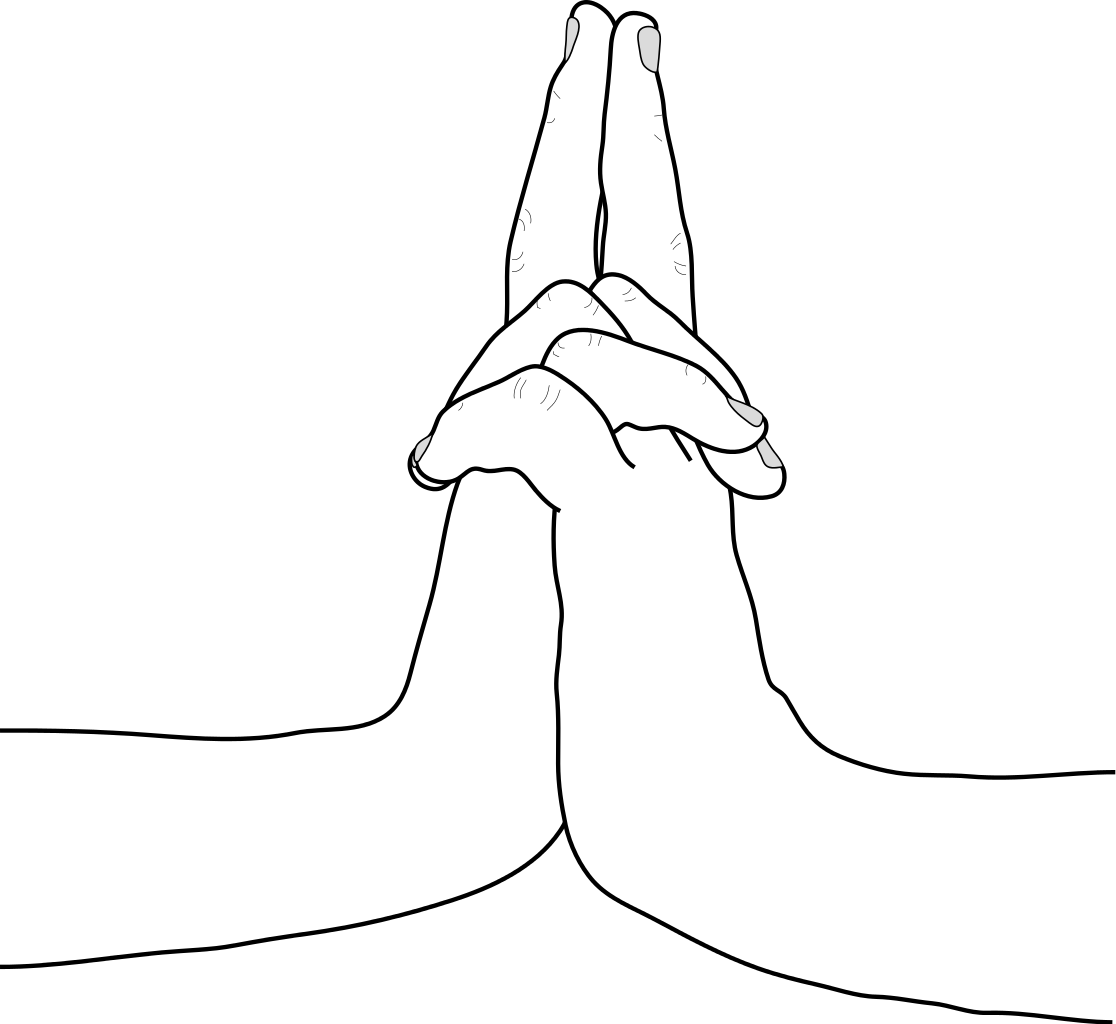
The Tiger represents Tora’s Chinese zodiac sign. This step is required before the Fire and Earth Releases can occur. The Tora is the most awesome hand sign, yet also being one of the simplest. Sasuke often employs it in the distinctive fire jutsu of his clan.
It goes without saying that a shinobi will execute the Tora. Their forearms are horizontal as they form a praying position with their hands clasped together and fingers intertwined. The next step is to bring the index and middle fingers of both hands together in the air and hold them there. Take a deep breath before you launch that ball of fire!
Boar (I, 亥)
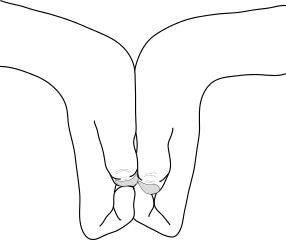
The Chinese pig is the inspiration for I, or Boar. It’s not required for any of the standard methods of changing nature. Jiraiya taught Naruto the basic summoning jutsu (using huge sentient toads) and it is crucial to the success of any summoning.
The initial impression is that it’s simple, yet shinobi might end up hurting themselves if they attempt it. They should maintain their forearms parallel to the floor while they make a half fist and press their palms together. It’s a great tool for invoking a case of bilateral carpal tunnel.
Ram (Hitsuji, 未)
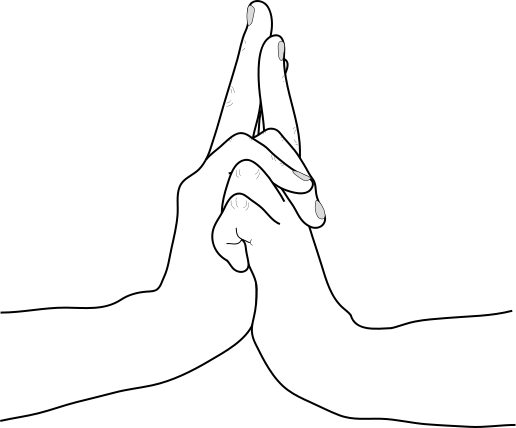
According to Chinese astrology, the goat represents the Histuji. The Ram is undoubtedly one of the most common and recognizable hand gestures in Naruto, while not being necessary for basic nature transformation releases. That’s because Naruto often utilizes it to call forth his shadow doubles.
Even when Naruto is doing the shadow clone jutsu, the Ram hand gesture is one of the most obvious phases. The Ram is performed by raising the index and middle fingers of both hands, then sticking them together, with the right hand’s fingers sliding down. They must also cross their pinky and ring finger on the left over the ones on the right.
Hare (U, 卯)
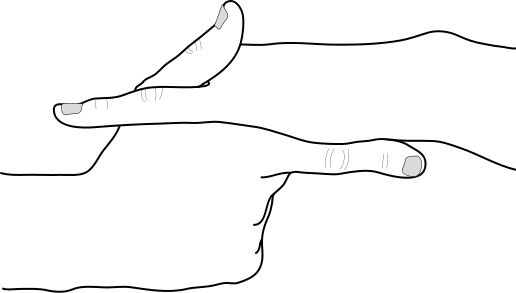
The Japanese word for “hare,” “Usagi,” is derived from the Chinese animal symbol of the rabbit. Even while it’s not required for standard nature transformation, Sasuke and Kakashi often employ it when channelling the Chidori or lightning hands.
Though simple in theory, the hand gesture might be difficult to use in reality. Simple enough for a shinobi, huh? Just put out your left index and thumb and slide your right pinky in between them to make a finger gun.
Hand signs for popular jutsu
The 12 signs above are the alphabet. Jutsu are the words: a fixed sequence of signs that the user weaves before moulding chakra. Here are the sequences for the techniques people ask about most, as shown in the manga and anime. Where a jutsu has no hand signs, that is because it works by shape manipulation, a kekkei genkai, or a dojutsu instead.
| Jutsu | Hand signs in order | Notes |
|---|---|---|
| Fire Style: Fireball Jutsu (Katon: Gokakyu no Jutsu) | Snake, Ram, Monkey, Boar, Horse, Tiger | Sasuke’s first jutsu in the series; the anime often shortens it to just Tiger |
| Shadow Clone Jutsu (Kage Bunshin no Jutsu) | Clone seal (index and middle fingers of one hand crossed over the other) | Not one of the 12 basic signs; a unique cross shaped seal |
| Transformation Jutsu (Henge no Jutsu) | Dog, Boar, Ram | The first jutsu taught at the Academy |
| Body Flicker Technique (Shunshin no Jutsu) | Ram | Single sign, which is why it is so fast |
| Summoning Jutsu (Kuchiyose no Jutsu) | Boar, Dog, Bird, Monkey, Ram, then a blood smeared palm on the ground | Used for toads, snakes, slugs and ninken alike |
| Chidori | Ox, Hare, Monkey | Kakashi and Sasuke; Lightning Blade uses the same seals |
| Rasengan | None | Pure chakra shape manipulation, no hand signs; Naruto uses a clone instead |
| Water Style: Water Dragon Jutsu (Suiton: Suiryudan no Jutsu) | 44 seals ending in Bird | The longest sequence shown on screen (Kakashi vs Zabuza) |
| Reanimation Jutsu (Edo Tensei) | Tiger, Snake, Dog, Dragon, then a clap | Orochimaru and Kabuto’s forbidden technique |
| Mind Transfer Jutsu (Shintenshin no Jutsu) | A diamond made with both hands aimed at the target | Yamanaka clan; not a standard sign |
| Shadow Possession Jutsu (Kagemane no Jutsu) | Rat | Nara clan; Shikamaru adds Rat, Bird, Boar, Tiger for Shadow Strangle |
| Sand Coffin / Sand Burial | None | Gaara controls sand with chakra and hand gestures, not seals |
| Eight Trigrams Sixty Four Palms | None | Hyuga taijutsu; Byakugan needs no signs |
| Sage Mode (Naruto) | Ram (held still while gathering nature energy) | The sign is for focus; the energy comes from staying still |
| Wind Style: Rasenshuriken | None | Like Rasengan, no seals; Naruto makes it with clones |
| Wood Style (Mokuton) jutsu | Varies; Snake is in nearly every Wood Style sequence | Hashirama and Yamato; Snake is the sign associated with Wood |
| Chibaku Tensei | None in the anime (Nagato and Sasuke), a single clap for Madara’s variant | Rinnegan technique |
| Infinite Tsukuyomi | None | Cast by reflecting the Rinne Sharingan off the moon |
| Planetary Devastation / Meteor (Madara) | None shown | Susanoo and Rinnegan powers rather than sealed ninjutsu |
| Hirudora (Tiger Bullet, Guy) | Fist wrapped in the other hand | A taijutsu stance, not a seal |
A few things to know when reading the table. Sequences are sometimes shortened on screen once a character has mastered a jutsu; Sasuke uses only Tiger for Fireball later in the series. Experienced ninja can also weave one handed: Haku, Zabuza, Kakashi and the Second Hokage all do it, and Zabuza weaves with one hand behind his back. Rasengan and Sand Burial have no seals at all, which is why they are so hard to interrupt.
How to do Naruto hand signs yourself
Every sign is just a way of pressing your hands together, so all 12 can be done by anyone with a little practice. The main tips: keep your fingers relaxed rather than rigid, learn the animal order of the Chinese zodiac (Rat, Ox, Tiger, Hare, Dragon, Snake, Horse, Ram, Monkey, Bird, Dog, Boar) because sequences are easier to remember in that frame, and practise the transitions between two signs slowly before speeding up. Tiger, Ram and Snake are the ones to learn first since they open the most sequences. The photos above show each sign from the front; check that your palms and interlocked fingers match, since several signs (Ox and Hare, Dog and Rat) look similar from a distance.
Conclusion
The complicated jutsu, elemental dominance, and tactical fights of Naruto’s universe are tied together by the art of hand signs. These actions, which are often represented as fluid and elegant, are very significant in the daily lives of shinobi. They are necessary for channelling the healing and deceptive powers of chakra, as well as for using it as a weapon or a shield. Throughout our travels, we’ve learned the varied connotations of each hand sign, from the ferociousness of the Tiger to the mysterious appeal of the Serpent.
These signs are more than mere motions; they are the conduit via which a ninja may link his or her goals with the unadulterated energy of chakra. In Naruto’s wide and ever-changing universe, hand signs are more than just a way of communicating with one another or achieving a goal; they also serve as visual representations of the characters’ development, resolve, and unrelenting quest of shinobi greatness. As the narrative progresses, we see these hand signs develop, with certain characters eventually reaching the point where they can conduct jutsu with no visible motions at all.
FAQs
What do the hand signs in Naruto mean?
Each of the 12 signs is named after an animal of the Chinese zodiac: Rat, Ox, Tiger, Hare, Dragon, Snake, Horse, Ram, Monkey, Bird, Dog and Boar. Weaving them in a set order lets a ninja mould chakra into a specific jutsu; on their own the signs do nothing.
How many hand signs are there in Naruto?
Twelve basic signs, plus a few unique seals such as the Clone seal used for Shadow Clone Jutsu and the diamond used for Mind Transfer. Every standard ninjutsu is built from the 12.
What are the hand signs for Fireball Jutsu?
Snake, Ram, Monkey, Boar, Horse, Tiger. Later in the series Sasuke only shows Tiger because he has mastered it.
What are the hand signs for Shadow Clone Jutsu?
One unique seal: cross the index and middle fingers of one hand over the same fingers of the other. It is not one of the 12 zodiac signs.
Does Rasengan have hand signs?
No. Rasengan is pure chakra shape manipulation, which is why Minato and Naruto can use it instantly. Rasenshuriken is the same.
Which jutsu has the most hand signs?
Water Dragon Jutsu, with 44 seals in the fight between Kakashi and Zabuza. Most jutsu use three to six.
Can hand signs be done with one hand?
Yes, but only by very skilled ninja. Haku does it during his fight with Sasuke, Zabuza weaves behind his back, and Kakashi and Tobirama can do it as well.
Are Naruto hand signs real?
The 12 zodiac names are real, and the poses were inspired by kuji-in, the nine hand seals used in Shugendo and ninjutsu folklore, but the sequences and effects are fictional.
Do all jutsu need hand signs?
No. Taijutsu, most kekkei genkai techniques such as Sand Burial, dojutsu techniques such as Amaterasu and Chibaku Tensei, and shape manipulation jutsu such as Rasengan need none.
Found this useful?
I write as a writer, as someone very familiar with the Internet, as someone who is completely at ease with current technology and the way it is transforming the social fabric of the globe, the business world in particular.